Does a Damaged Chimney Always Need Rebuilding?
A cracked brick or a patch of missing mortar can look alarming from the ground, but appearance alone cannot tell you whether a chimney needs local repairs or more extensive work. The important question is whether the defect is limited, or whether it points to deterioration across the structure.
That distinction matters because rebuilding is a major intervention, while a small repair may not last if the surrounding brickwork is also failing. The decision comes from looking at the chimney as a whole, including the parts that are difficult to see from inside the property.
Start with the extent of the damage
A localised defect affects a limited area. For example, a small section of mortar may have deteriorated while the surrounding brickwork remains sound. In that situation, repair may be a reasonable option, provided the underlying cause is understood and the rest of the chimney is in suitable condition.
More widespread deterioration changes the picture. If mortar has failed across several areas, bricks are breaking down in multiple places, or sections appear loose or displaced, patching one visible spot may leave the same problem elsewhere. The question is not simply how many defects you can see. It is whether the chimney remains a sound structure and whether the damaged areas are connected.
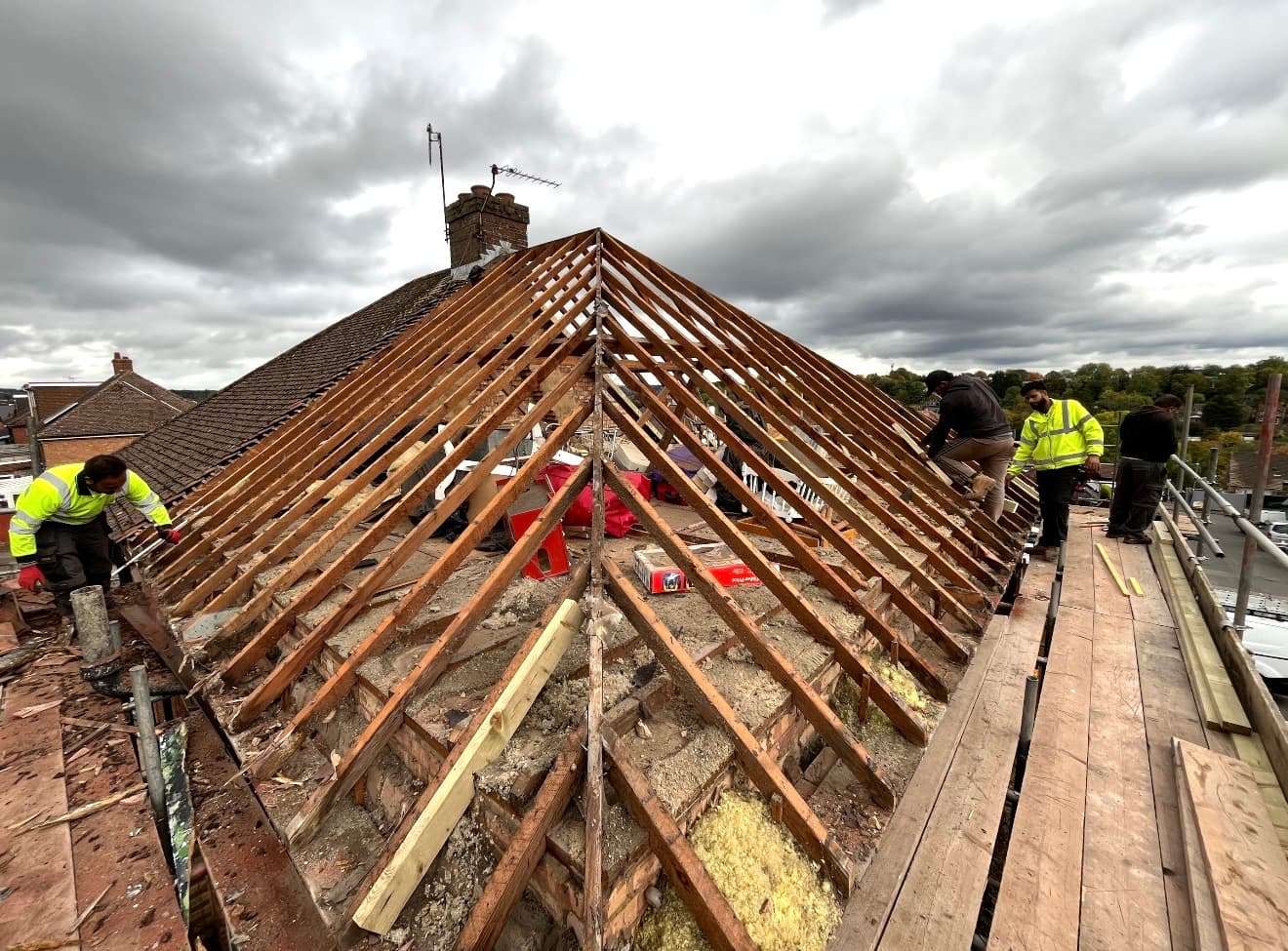
From ground level, a chimney can be difficult to assess accurately. Some sides may be hidden from view, and the part above the roofline can be exposed differently from the masonry lower down. A decision based only on one visible crack risks missing a broader pattern.
Consider stability, not just appearance
A chimney can look weathered without being unstable, and a less obvious defect can still matter if it affects how securely the masonry is held together. Signs such as loose material, displaced bricks or movement deserve attention because they may indicate more than surface wear.
The assessment needs to establish whether damage is confined to finishes or joints, or whether the brickwork itself has is no longer sound. If the masonry is broadly sound, localised work may be possible. If deterioration is extensive or the structure is no longer stable, a larger repair strategy may be needed. That does not mean every damaged chimney must be rebuilt, but it does mean the decision should not be made from a photograph or a single symptom alone.
Find out whether water is part of the problem
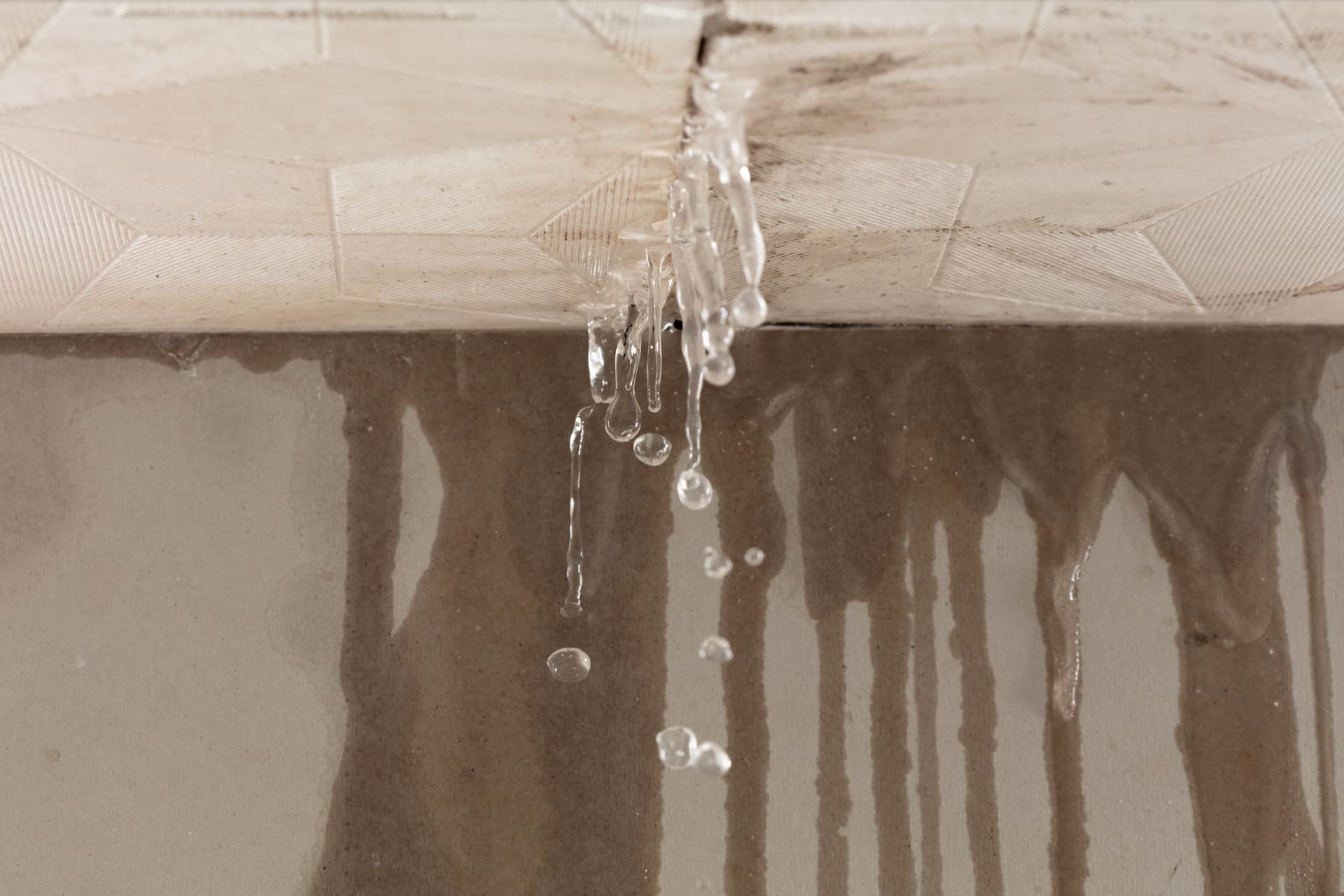
Water entry can contribute to further deterioration, so the source matters when deciding what work is appropriate. The chimney masonry and the area where it meets the roof both need consideration. A leak near a chimney does not prove that the chimney itself needs rebuilding: water may be entering through a defect at the point where the chimney meets the roof, through damaged masonry, or from another nearby part of the roof.
If the route of water is not identified, repairing the most visible damage may leave the cause in place. The result can be recurring damp or renewed deterioration around work that was otherwise sound. A useful assessment looks beyond the damp patch inside and considers the chimney and surrounding roof together.
Match the repair to what the inspection finds
A practical decision follows a few steps:
- Establish how much of the chimney is affected, including areas not readily visible from the ground.
- Work out whether the damage is limited to a particular section or appears across the masonry.
- Consider whether the structure is stable, rather than judging only by surface appearance.
- Check whether water entry is connected to the masonry, the roof junction or another nearby defect.
- Choose work that addresses the identified problem, rather than simply covering the most obvious symptom.
The outcome may be localised repairs, more extensive work, or a recommendation to investigate further before deciding. The appropriate route depends on the condition found, not on a rule that every crack means rebuilding or that every chimney can be dealt with by patching.
Get a clear assessment before committing to major work
If you have noticed damaged masonry, loose material or damp near a chimney breast, avoid deciding on the scale of work from the indoor mark alone. The visible symptom and the cause may be in different places, and the condition of the rest of the chimney can change what makes sense.
We assess the chimney and surrounding roof to identify what needs attention, then explain the recommended work. If you are weighing up repair or rebuilding, our Chimney Services page gives an overview of the service. Here at REFURB PROPERTY MAINTENANCE LIMITED, we can help you understand the findings and the next step for your property.